


Retained earnings are the portion of a company’s cumulative profit that is held or retained and saved for future use. Retained earnings could be used to fund an expansion or pay dividends at a later date. Retained earnings are related to net (as opposed to gross) income because they reflect the net income the company has saved over time.
- One of them is the income statement, and you’ll need to process expenses to put this statement together.
- For example, if a business earns a net income of $50,000 for the year, this $50,000 would be credited to retained earnings, thereby increasing the total accumulated profits.
- Revenue sits at the top of the income statement and is often referred to as the top-line number when describing a company’s financial performance.
- Retained earnings show a credit balance and are recorded on the balance sheet of the company.
- Normal, recurring corrections and adjustments, which follow inevitably from the use of estimates in accounting practice, are not treated as prior period adjustments.
- They are a measure of a company’s financial health, and they can promote stability and growth.
Understatement of net income

In this case, this debit balance of retained earnings will be presented as a negative in the balance sheet. Likewise, the net income will increase the retained earnings while the net loss will decrease the retained earnings as the result of the journal https://flirtinafterforty.com/how-should-restaurants-pay-their-servers-well-it-s/ entry. Generally, a company’s earnings can be either positive or negative. If a company’s earnings are positive, it means the company has been able to generate profits from the goods and services they offer.
- When the retained earnings balance of a company is negative, it indicates that the company has generated losses instead of profits over the period of its existence.
- Dividends represent distributions of a company’s profits to its shareholders.
- Assets increase with debits and decrease with credits, meaning their normal balance is a debit.
- Liabilities and stockholders’ equity, to the right of the equal sign, increase on the right or CREDIT side.
- Like other equity accounts, they typically carry a normal credit balance, as increases to equity are credits.
- It can signal a company’s capacity for growth, its financial resilience, and its ability to fund future operations or expansion.
Recording and Managing Financial Transactions
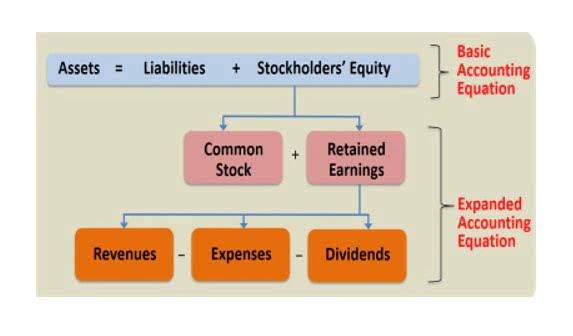
Within the equity section, retained earnings is a component representing the portion of net income not distributed as dividends but retained for business use. This classification as an equity account is fundamental to understanding its behavior. Retained earnings appear prominently on a company’s financial statements, providing crucial information to stakeholders. On the balance sheet, retained earnings are presented as a distinct line item within the equity section. This placement highlights its role as a component of the total ownership claim on the company’s assets.
Retained Earnings Journal Entry
That amount is added to the original $100,000 for a new total retained earnings of $130,000. The company retains the money and reinvests it—shareholders only have a claim to it when the board approves a dividend. If the company keeps making a profit, the retained earnings trial balance will keep increasing.
Retained earnings are calculated only when company obligations include dividend payouts. Retained earnings can also be used to pay down debt or increase reserves. Answer the following questions on closing entries and rate your confidence to check your answer.
Retained Earnings on Financial Statements

Retained earnings are the company’s net income after dividend payments. A company’s net income is the amount remaining from its revenue after it has deducted its operational expenses and made dividend payments. Thus, the leftover amount that the company was able to generate within the accounting period in view is usually transferred to the retained earnings account. Equity accounts, including retained earnings, generally increase with credit entries and decrease retained earnings a debit or credit with debit entries.